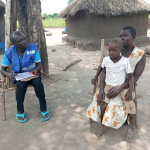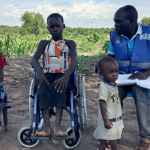
Women and children constitute 79% of the refugee population, older adults (60 years and over) make up 3%, youth (15-24 years) comprise 25%
Program Overview
Child poverty has long-term implications for their overall well-being. These include poor psychosocial and physical health, malnutrition, lack of education, social exclusion, and limited future employment opportunities. Children may be exposed to more violence, such as child labour and child marriage, as families and caregivers face economic difficulties. This is due to increased stress and pressure to make ends meet.
Predictions suggest that climate and disaster risk will push an estimated 325 million poor people into extreme poverty over the next decade. Children in the poorest and most fragile contexts face the greatest risk.
Promoting women’s economic empowerment – so that through economic advancement, women have access to opportunities, services, resources; and through agency, women gain improved decision-making in households and economic activities, and can manage their paid and unpaid workloads, resulting in improved wellbeing. World Vision also promotes equitable systems through which women can benefit from equitable policies, laws, institutional practices, and social norms.
Economic wellbeing means people have their most basic survival needs met and have sustainable income and assets so they can prosper. During and after crises, people may be forced to make short-term decisions to survive—such as pulling children out of school to work—that will have long-term negative consequences. The Humanitarian Action for Sustainability helps them meet immediate needs and build a brighter future.
Activties
- Reproductive Health: Providing essential reproductive health services to women and young girls in refugee camps.
- Nutrition Programs: Offering malnutrition prevention initiatives, including feeding programs for children and pregnant women.
- Community Health Education: Conducting workshops on hygiene, disease prevention, and maternal health.